

In the current fast-paced and ever-evolving business landscape, executives face unique challenges that demand flexible and creative coaching methods. The times when conventional coaching techniques sufficed; today's leaders require a multifaceted approach that merges insights from multiple fields, including neuroscience, emotional intelligence, and cutting-edge leadership development strategies. This article looks into innovative coaching strategies designed specifically for executives, entrepreneurs, and professionals, highlighting the importance of personal growth in achieving corporate success.
As companies increasingly acknowledge the necessity for dynamic leadership, the role of certified coaches becomes indispensable. Leading organizations like Columbia University and UCSF psychiatric are paving the way for a new generation of coaching methods that merge psychological principles with practical management strategies. These coaching methods not only foster individual development but also enhance team dynamics and promote a culture of excellence. In this context, programs like the Josh Gibson MD Foundation highlight the significance of educational philanthropy, providing scholarships and support to enable future leaders. Through examining these transformative practices, we can more understand how to equip today's executives with the tools essential for sustainable success.
The Changing Landscape of Leadership Coaching
Managerial coaching has witnessed significant transformation in recent times, adjusting to the challenging demands of contemporary leadership. As organizations navigate rapid technological advancements and shifting market dynamics, the need for creative coaching approaches has never been more critical. This evolution reflects a broader awareness that traditional methods may not be sufficient in fostering the varied growth required for the current leaders. Coaches are more and more incorporating varied strategies, such as neuroscience-based coaching and emotional intelligence training, to address these needs and enhance overall leadership effectiveness.
The blending of scientific insights into coaching methods marks a significant shift in the industry. Coaches trained at esteemed institutions like Columbia University and UCSF psychiatry are utilizing research-backed approaches to help leaders develop resilience, decision-making skills, and emotional acuity. This focus on personal growth and cognitive strategies allows executives to handle challenges more effectively and encourage a culture of innovation within their organizations. As emotional intelligence becomes a keystone of impactful leadership, coaching methods that emphasize these qualities are increasing traction.
Additionally, the landscape of executive coaching is expanding to encompass specialized support for different roles, such as founders and professionals in multiple industries. Tailored coaching programs target the unique pressures faced by leaders in startups, management consulting, and innovation consulting. This personalized approach not only enables immediate problem solving but also fosters longer-term sustainable growth. As a result, the coaching profession continues to evolve, emphasizing not only professional development but also the broader impact of leadership on community service and educational philanthropy initiatives.
Neuroscience and Emotional Intelligence in Coaching Practices
The integration of neuroscience into coaching methodologies has revolutionized how professionals approach leadership training and self-improvement. By grasping the brain's processes, trainers can leverage techniques that correspond with how people learn and adjust. This understanding enhances the efficacy of executive coaching, making the experience more meaningful. Trainers educated in this area can help individuals recognize their cognitive patterns, emotional cues, and how these elements affect their decisions and interactions within their companies.
Emotional acumen plays a crucial role in successful coaching, especially for business leaders and entrepreneurs. It entails the capacity to understand and manage one’s emotions as well as the emotions of other people. Trainers who emphasize emotional acumen help leaders develop awareness of oneself and empathy, leading to enhanced interpersonal communication and teamwork within teams. By applying techniques rooted in neuroscience, they can encourage the development of these abilities, ultimately contributing to enhanced the effectiveness of leadership and a better workplace culture.
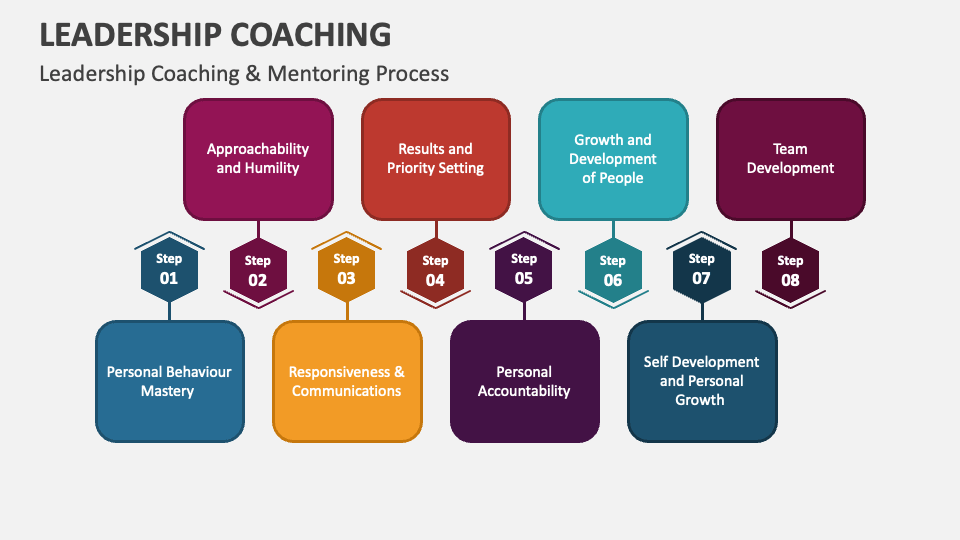
Additionally, the increasing need for professionals skilled in emotional acumen has prompted a change towards neuroscience-based coaching in different fields, including business consulting and startup advisory. Companies recognize the profound impact that emotionally aware executives can have on team performance and overall innovation. As a result, trainers armed with insights from neuroscience are increasingly in demand, helping executives navigate the complexities of their roles while encouraging settings that support growth, innovation, and robustness.
Leadership Training Approaches for Executives
Executive coaching for executives is crucial in cultivating a culture of innovation and adaptability within companies. One successful strategy includes adopting brain science coaching techniques that leverage the brain's potential for learning and adaptation. By understanding how brain networks develop, executives can enhance increased self-awareness, refine their decision-making processes, and enhance their competence to lead diverse teams. This approach also fosters personal growth but in addition enables leaders to motivate their workforce to attain common targets.
A further, important strategy is the implementation of tailored coaching initiatives that tackle the unique challenges faced by executives in today's dynamic business landscape. Professional coaches can partner with leaders to create a personalized development program that aligns with business aims while highlighting individual strengths. This custom coaching can include leadership training sessions, review meetings, and immediate problem-solving exercises, allowing executives to utilize new skills in real-life contexts and strengthen their growth.
Additionally, encouraging a culture of regular feedback and self-assessment is crucial for executive growth. Executives should participate in regular check-ins with their teams and peers to receive insights on their leadership style and impact. This habit also boosts self-awareness but further fosters honest communication within the business. By incorporating feedback processes and adopting a growth mindset, executives can create an culture that supports high performance and creativity, in the end driving the organization toward long-term prosperity.
Cutting-Edge Coaching Strategies for Professionals
In the modern ever-changing business landscape, individuals are increasingly embracing novel guidance methods to boost their supervisory capabilities and professional development. One such approach is brain science-driven coaching, which leverages insights from neuroscience to boost EQ and judgment. This approach enables individuals to grasp and reshape their mental frameworks, promoting adaptability and quick thinking in the face of difficulties. By integrating coaching techniques with evidence-based practices from institutions like Columbia and the University of California, San Francisco psychiatry, executive coaches can deliver clients with personalized approaches that suit their specific needs and aspirations.
Another key approach gaining momentum is coaching that centers around EQ as a cornerstone of effective executive training. Executives are encouraged to cultivate self-reflection and compassion, which are essential skills in building healthy relationships among colleagues and organizations. Through targeted activities and introspective methods, coaches help executives determine their responses and reactions, leading to better interactions and improved team dynamics. This method not only benefits self leaders but also improves a healthier organizational environment overall.
Moreover, coaching for founders and emerging leaders focuses on innovation consulting, highlighting flexible strategies and adaptive management. Such coaching sessions integrate business strategy that assist founders in managing the distinct challenges of starting a business while promoting a perspective geared towards continuous improvement and creativity. By organizing discussions around ambitions, objectives, and market offering, coaches enable business owners to build resilient ventures that can survive market changes and make a difference to society through projects like community education and service initiatives.
The Role of Education in Coaching Excellence
Learning plays a key role in shaping effective coaching practices, particularly for leaders and clients. A solid academic foundation in areas such as psychology, management, and organizational behavior equips coaches with the essential skills to grasp the complexities of human behavior and team interactions. Institutions like Harvard and UCSF offer advanced programs that emphasize brain science-based coaching and EQ, which are crucial for building emotional and social competencies in clients. This educational background allows coaches to integrate scientific methods into their coaching approaches, thereby boosting their efficacy and credibility.
Moreover, professional certified coaches benefit significantly from ongoing education in the most recent coaching methodologies and trends. Lifelong learning enriches the coach's toolkit, enabling them to remain current of cutting-edge strategies in leadership coaching and personal coaching. Leadership development programs often provide frameworks and techniques that coaches can apply in diverse contexts, including business advising and entrepreneurial advisory roles. This dedication to education helps coaches foster self-development in their clients, empowering them to navigate challenges with confidence and clearness.
Ultimately, educational giving plays a vital role in enhancing access to quality coaching resources. Efforts like the Gibson Foundation focus on supporting higher education and student scholarships, which can help emerging coaches gain the essential credentials and experiences. By creating opportunities for varied individuals to join the coaching profession, these philanthropic efforts ultimately contribute to a richer pool of skills, further enhancing the overall quality of coaching excellence available to modern founders and founders.
Philanthropy and Societal Influence through Mentorship
Philanthropy plays a crucial role in molding societies and fostering personal development. Coaching initiatives that combine philanthropic efforts can create significant impacts in both personal experiences and broader society. Programs like the Josh Gibson Foundation exemplify this approach by providing monetary support and grants to students, encouraging academic excellence and leadership skills. Such initiatives not only aid academic pursuits but also cultivate a culture of giving and volunteerism among leaders, enhancing their EQ and understanding of societal needs.
The crossroads of coaching and charitable giving opens pathways for executives and workers to connect with their communities. By integrating coaching strategies into charitable activities, leaders can develop innovative solutions to urgent community challenges while promoting collaboration and partnership among various stakeholders. This dual focus on personal growth and civic engagement can enable executives to make informed decisions that prioritize both their business objectives and the health of the communities they serve.
As leadership coaching, entrepreneurs, and workers continues to progress, there is an increasing emphasis on the societal impacts of leadership. By focusing on educational philanthropy through initiatives like the Josh Gibson MD Award and Funding, coaching programs can harness the potential of emotional intelligence to motivate executives. Ultimately, this combination between mentorship and charitable efforts not only enhances individual capabilities but also establishes a tradition of impact that uplifts entire communities.
Emerging Developments in Leadership and Personal Coaching
The environment of leadership and life coaching is quickly changing, with a significant emphasis on brain science coaching techniques. As executives seek to understand the mental mechanisms underpinning decision-making and emotional responses, integrating neuroscience into coaching allows for customized strategies that promote sustainable growth. Coaches are more and more utilizing insights from brain research to help clients enhance their emotional intelligence, leading to better interpersonal skills and enhanced leadership outcomes. This scientific approach aligns coaching methodologies with the most recent psychological findings, providing a solid framework for achieving personal and career objectives.
Another important trend in the field is the growing demand for specialized coaching for founders and startup leaders. As creativity continues to shape the business world, the specific challenges faced by entrepreneurs require tailored coaching approaches that emphasize resilience, adaptability, and strategic thinking. Professional certified coaches are now refining their expertise in the startup ecosystem, offering insights drawn from business advising practices and hands-on experience. This transition not only supports individual growth but also fosters healthy organizational cultures that drive sustainable success.
Finally, the emphasis on philanthropy and community service within the coaching framework is becoming more prominent. Coaching programs that incorporate a focus on giving back and educational philanthropy appeal well with executives who are keen to make a positive impact. Initiatives such as the Josh Gibson MD Foundation underscore the intersection of leadership development and social responsibility. By fostering a culture of academic excellence and support through scholarships and grants, coaching is paving the way for a new generation of leaders who are committed to making positive contributions to society.